From civil rights to marriage equality, cities have long held a tradition of raising ambition and setting the course to advance bold solutions for national change. Today, as climate change jeopardizes our coastlines and water supplies, and as fossil fuels pollute our air, making people sick, cities are forging ahead to build a new energy… Keep reading →
Wind
Cities Will Continue To Lead Us Towards 100% Clean, Renewable Energy
By Jodie Van Horn - Director of the Sierra Club’s Ready for 100 CampaignSign up and get Breaking Energy news in your inbox.
We will never sell or share your information without your consent. See our privacy policy.Carbon Dioxide Could be the Solution to Energy Storage
By Michael VinciA breakthrough in the renewable energy industry may hold the solution to eliminating carbon emissions, while also creating new sources of clean energy. The potential revelation comes from scientists working in China and the United States in the form of a system that recaptures carbon-dioxide pollution for use in a storage system. Energy storage has… Keep reading →
Skeptics of renewable energy resources have stood by the argument that hydro, wind, and solar power would not be able to meet the needs of whole communities or countries. These disbelievers were proven wrong this week during a test project by WindEurope in Denmark.
For one full day the country, Denmark, fully utilized wind energy to power their nation. With about 97 GWh of wind energy, the country was able to sustain 10 million residential homes. This achievement comes as great news for companies in the wind energy sector – free PR is always good, but it also speaks to the viability of wind as a major power generation source.
Renewable Energy Update – July 2015 #2
By William R. Devine, Barry Epstein, Emily L. Murray, Patrick A. Perry | Allen Matkins Leck Gamble Mallory & Natsis LLP
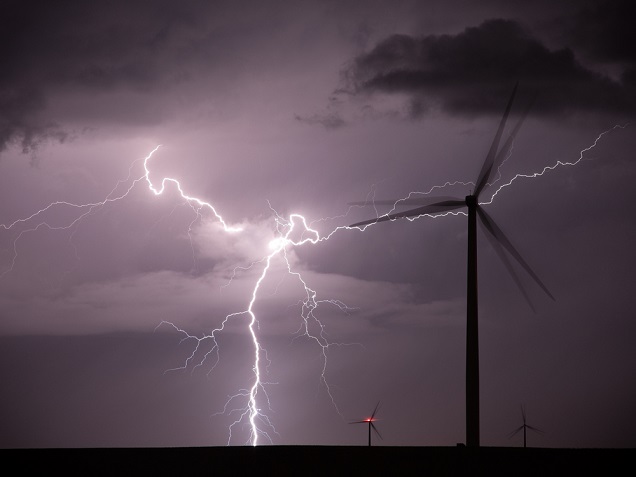
There used to be a time when every politician became a fan of wind and bio-fuel as alternative energy sources. That time was called “before the Iowa presidential caucuses.” Iowa, you see, will never have oil. But it does have biomass and a lot of space where nobody wants to live where you can put… Keep reading →
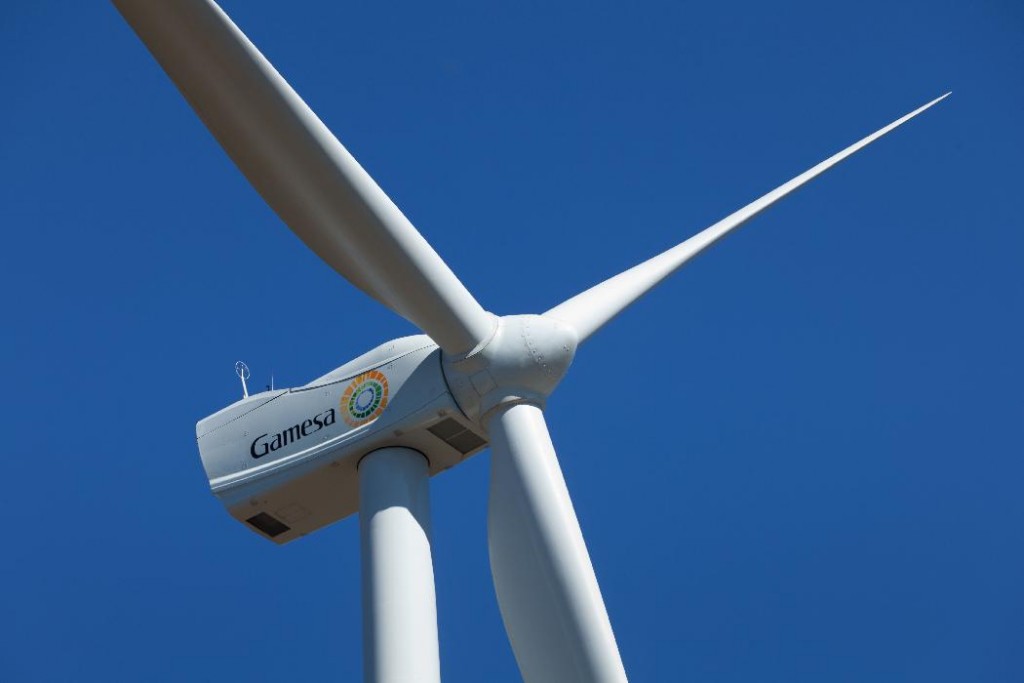
We’ve heard a lot about wind power in Brazil, but there’s another South American country swooping in to take the leadership role with this renewable energy resource: Uruguay. According to Bloomberg, a $2.6 billion wind power spending spree is set to transform Brazil’s neighbor to the south into a veritable Denmark of wind, tripling the country’s use… Keep reading →
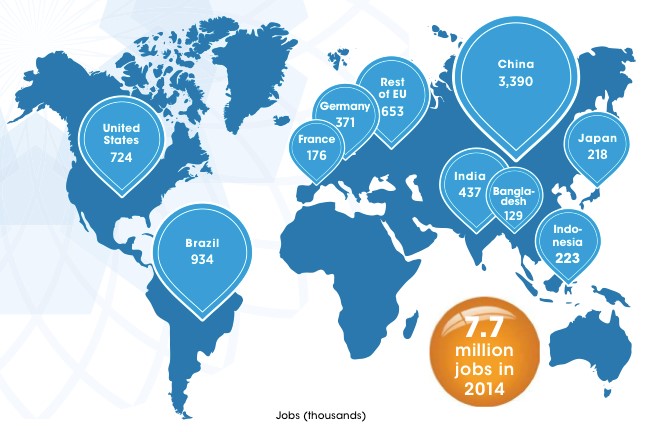
The International Renewable Energy Agency (IRENA) has just published its 2015 Annual Review on “Renewable Energy and Jobs” and estimates that globally renewable energy jobs (excluding large hydropower) reached approximately 7.7 million in 2014. Renewable Energy Employment in Selected Countries Source: IRENA The graphic above illustrates that familiar suspects can be found among the world’s… Keep reading →
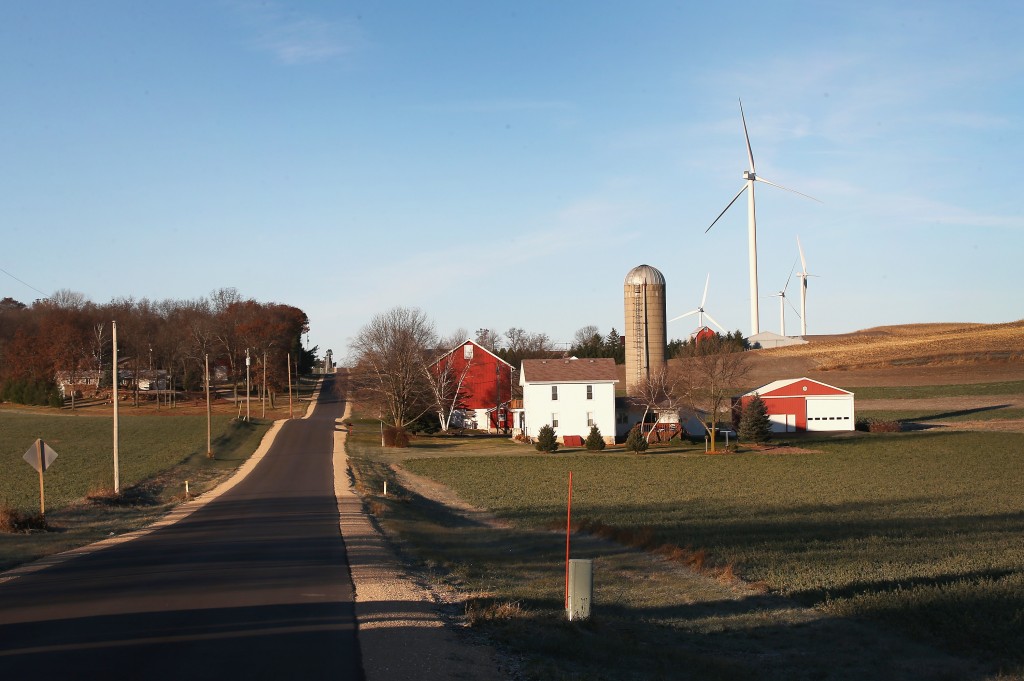
Since the dawn of the 21st century, wind power has grown from providing less than one-third of 1 percent of U.S. electricity generation to 4.4 percent in 2014. And there’s reason to believe it could become much bigger – the cost of wind energy has declined and the U.S. Department of Energy recently laid out… Keep reading →

Conventional hydropower fell from its perennial perch as the source of the majority of U.S. renewable energy in 2014, yet another sign of the rise of a new wave of renewables – wind and solar, especially – on the U.S. electrical grid. Data released Wednesday by the U.S. Energy Information Administration showed hydropower with net… Keep reading →
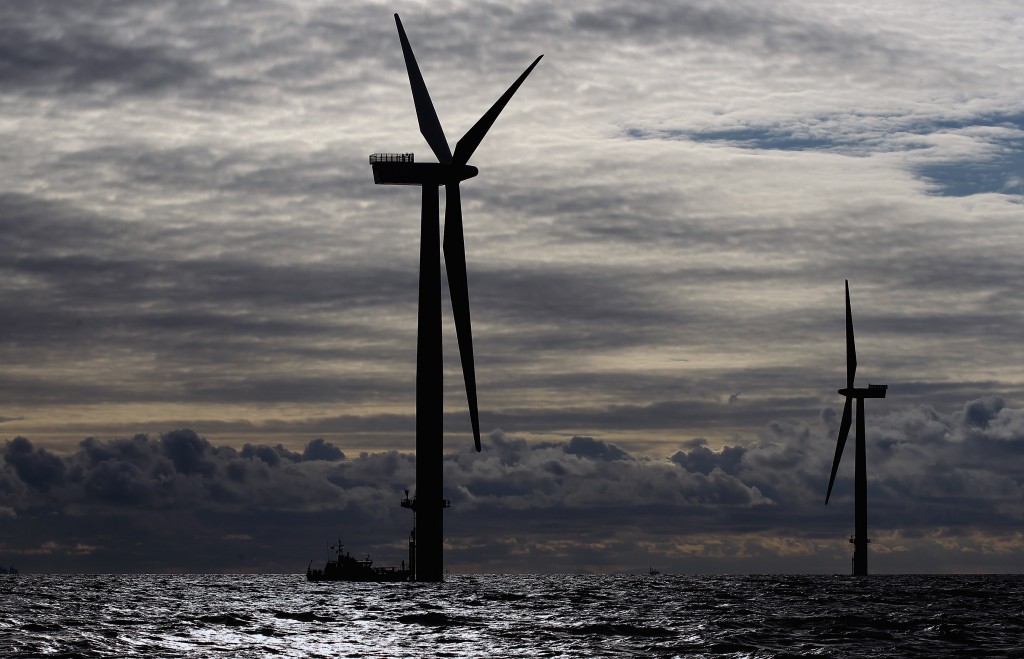
Clearly, something needs to be done. And the way Clean Energy Group and Navigant see it in a new report, the last best hope for offshore wind power in the United States lies in a robust, new policy collaboration between several Northeast states – Maine, Massachusetts, Connecticut, New Jersey, New York and Rhode Island. This… Keep reading →
