Microsoft


Sophisticated worms – automated software that spreads between computer devices – can infect an entire electric grid in a matter of seconds, but there may be effective defenses against them, according to Rob Johnson, assistant professor of computer science at Stony Brook University.

The critical role various computing devices have assumed in the daily functioning of the power grid has dramatically altered the security needs of utilities. While safeguards are already in place to protect against physical threats, like natural disasters, utilities may lack the tools to protect their networks from cyber attacks, such as worms. Keep reading →


When it comes to saving energy and pursuing sustainability, corporate peer pressure can be a wonderful thing.

That’s the experience of Walmart, which since 2010 has been using its own environmental policies, along with its considerable corporate muscle, to persuade suppliers to join its ongoing campaign to reduce carbon emissions. Keep reading →


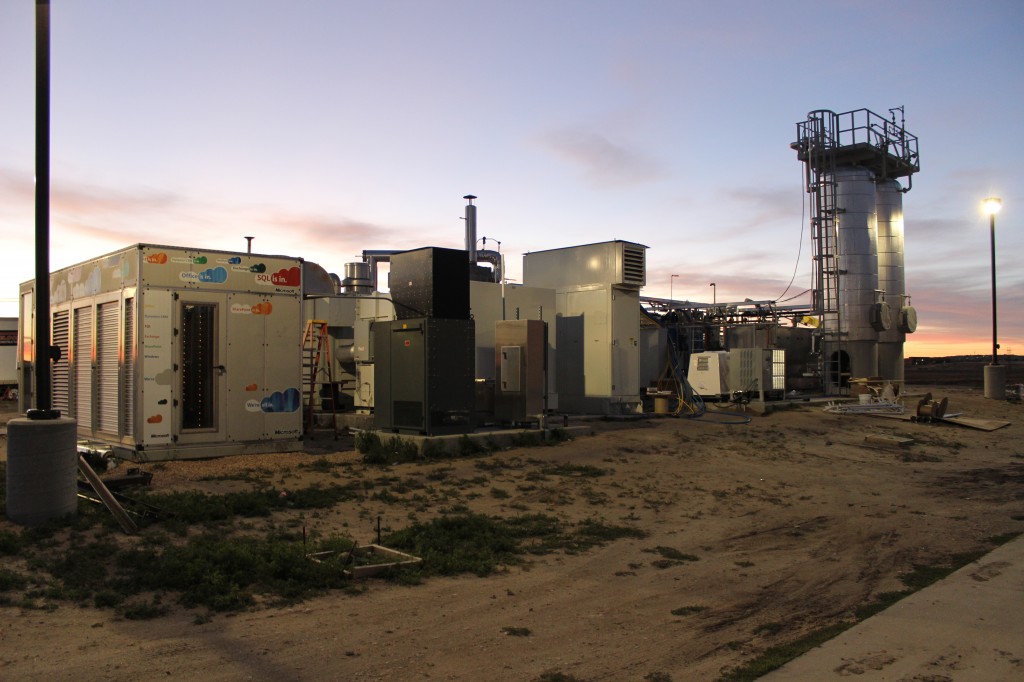
Could data centers someday stand alongside drilling rigs in the Marcellus Shale gas fields? It is an increasing possibility, says an energy expert at an international buildings efficiency firm.

Data centers are sometimes built for the exclusive use of such giants as Google and Facebook, but most of them are intended for hosting companies, which process data for multiple tenants. Keep reading →


An environmental activist and two business executives walk into a bar…and they start a solar power company. While this may not make your favorite jokes list, it serves as an interesting background story for an innovative residential solar startup.

“The solar power industry is at an inflection point,” and with low cost cells produced in China and elsewhere, companies like Sungevity are on the cusp of putting solar everywhere – “it’s becoming ubiquitous,” the company’s President and founder Danny Kennedy recently told Breaking Energy. Keep reading →

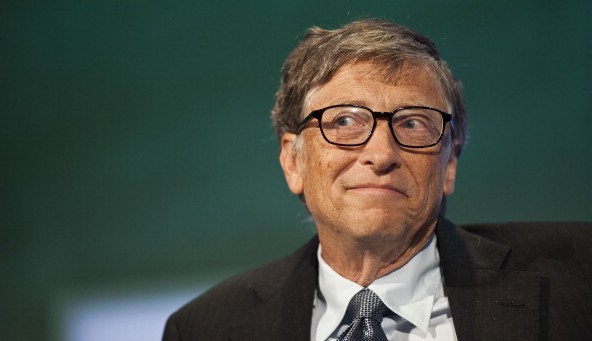
Microsoft Chairman Bill Gates delivers remarks on the state of energy February 28, 2012 during the US Energy Department’s Advanced Research Projects Agency-Energy (ARPA-E) Energy Innovation Summit at the Gaylord National Hotel & Convention Center in National Harbor, Maryland near Washington, DC. Gates was joined by US Energy Secretary Steven Chu and former White House Chief of Staff John Podesta.

Energy Secretary Steven Chu sees energy following cell phones and “going viral” worldwide if the costs of advanced batteries teamed with efficient solar panels can be reduced enough. Keep reading →


We’re from the government and we’re here to listen.

That was the opening message from top Department of Energy officials at the Advanced Research Projects Agency – Energy Innovation Summit in Washington, DC. The conference, being headlined Feb. 28-29 by Secretary of Energy Steven Chu, Microsoft founder Bill Gates, and former president Bill Clinton, is drawing more than 2,400 participants from the worlds of science, engineering, energy and venture capital. Keep reading →


I’ve been warning for a long time that Cisco’s smart grid ambitions were going to force major changes onto the industry. The first of those changes has arrived today with the release of the first detailed version of the company’s grand framework — the reference architecture it calls GridBlocks.

The main points Keep reading →


Last month, both Google and Microsoft announced the retirement of their home energy management applications.

The loss of Google’s PowerMeter and Microsoft’s Hohm has led to commentary about the difficulty of engaging energy consumers, and specifically about the fact that simply presenting energy use data seems to have little effect on consumer behavior. Google in particular has been faulted for devoting too much real estate in PowerMeter to displaying customers’ energy use throughout the day. Keep reading →