Marcellus


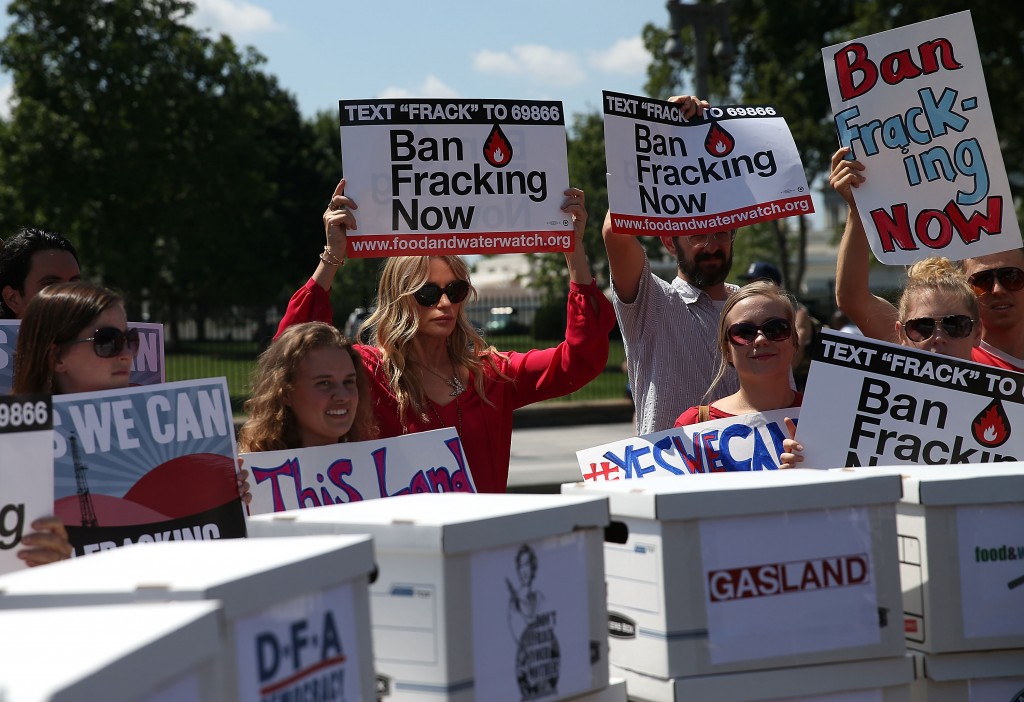
The NY State Assembly voted to enact legislation that would extend the moratorium on high volume hydraulic fracturing until 2015, aiming to facilitate additional health and environmental impact assessments.

On March 6, 2013, the New York State Assembly passed a bill to further suspend issuance of permits for high volume hydraulic fracturing until May 15, 2015. The bill passed with a vote of 95-40 and marks the Assembly’s third moratorium, following similar measures in 2010 and 2011. The industry currently awaits the release of DEC’s Supplemental Generic Environmental Impact Statement (SGEIS) and a subsequent ruling for permit issuance. Keep reading →
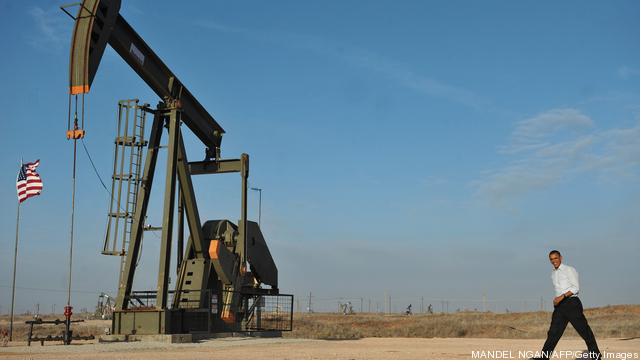
Summers in a Pennsylvania steel mill might seem like an unlikely place to find the future president of the American Fuel & Petrochemical Manufacturers association, but that’s where Charlie Drevna got his start. Now, it seems prescient as energy and manufacturing become ever more closely linked in the US.

When Drevna was working the mills, they were manufacturing drill pipe for oil and gas production in Oklahoma and other parts of the country where conventional hydrocarbon resources were being produced in volumes that many expected were in terminal decline. Keep reading →


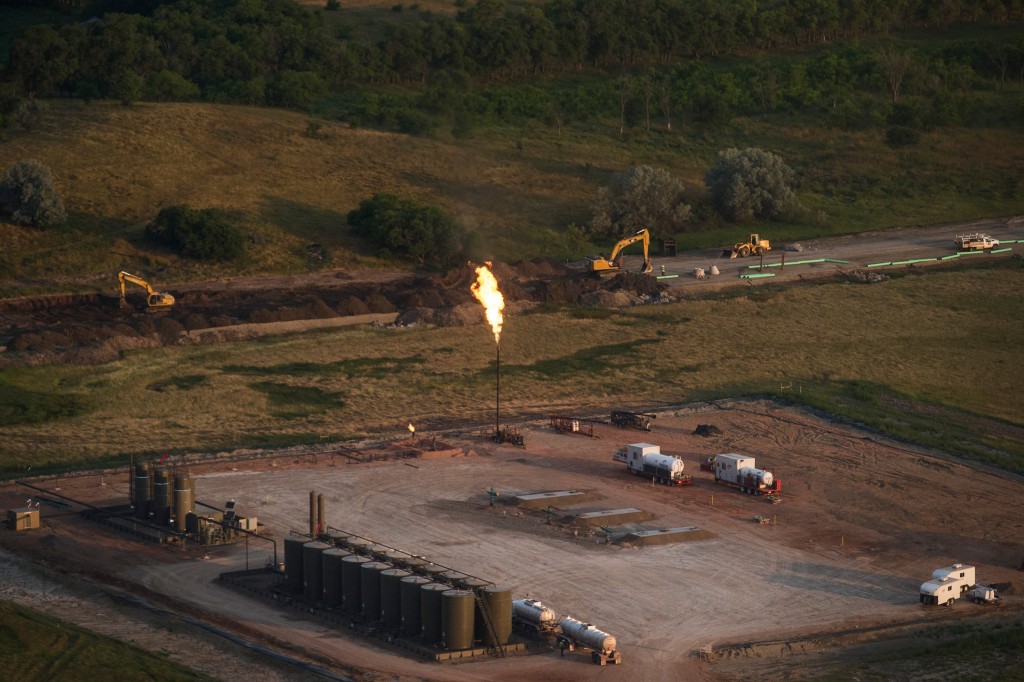
Plans to roll back parts of Pennsylvania’s controversial new law on natural gas development would make the state less attractive to energy companies seeking to develop the Marcellus Shale, one of America’s biggest gas fields, critics say.

Democratic lawmakers in the state House want to remove a measure in Act 13 that restricts the control of municipalities over gas development, and to cancel a section that requires doctors to sign a confidentiality agreement if gas companies disclose the identities of fracking chemicals to them. Keep reading →


Natural gas industry calls for relying on statewide standards of regulation received a setback when a Pennsylvania court placed a temporary injunction on a new law that limits local control over the industry.

Commonwealth Court Senior Judge Keith Quigley ordered on April 11 that local ordinances over zoning for oil and gas installations must remain in place for the time being, placing a temporary hold on part of Pennsylvania’s new Act 13, a wide-ranging law governing development of the Marcellus Shale, one of America’s biggest natural gas fields. Keep reading →


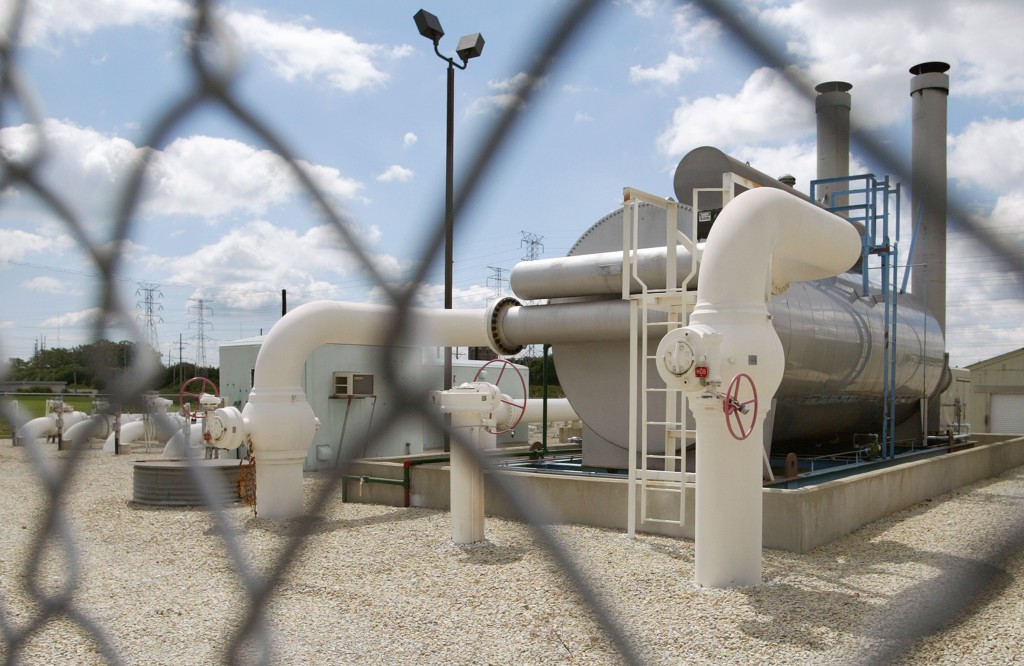
US natural gas pipeline companies added about 2,400 miles of pipeline as part of 25 projects in 2011, helping to improve service in congested areas including California, Florida and parts of the Northeast, the Energy Information Administration said on Friday.

The new lines increased capacity by 13.7 billion cubic feet a day, about the same increase as in 2010 but less than that in 2008 and 2009 when a total of more than 60 bcf of capacity was added to keep pace with increasing shale-gas production, as well as new LNG terminals and storage facilities. Keep reading →


Monitoring shale gas drilling has been a central technology question for oil and gas companies seeking to take advantage of huge potential reserves in the US.

“A technology to remotely monitor conditions at energy-rich Marcellus Shale gas wells to help insure compliance with environmental requirements has been developed through a research partnership funded by the US Department of Energy,” the department announced today. Keep reading →


Pennsylvania’s newly passed bill imposing fees on natural gas drillers charges the industry far too little, doesn’t do enough to protect the environment, and was drafted in secret by Republican lawmakers who sought to curtail public debate on the measure, Democrats in the state claim.

House Democrats, who lost the decisive vote on the measure last week, argued that Republicans kept the 174-page bill under wraps until less than 24 hours before it was debated on the House floor because they were concerned that parts of it would be so unpopular among the public that it would fail to pass the legislature. Keep reading →


Pennsylvania lawmakers on Wednesday gave final approval to a bill that would impose fees on natural gas companies drilling in the state’s Marcellus Shale formation and allow the revenue to be used by local communities to offset the impact of the state’s booming shale-gas industry.

If signed into law as expected by Governor Tom Corbett, the bill will end Pennsylvania’s status as the only US gas-producing state that does not impose any kind of levy on energy companies for natural gas drilling. Keep reading →


The hydraulic fracturing technology that opened vast US natural gas shale resources could be snared in what one analyst calls “a regulatory race to the top.”

The industry is arguing that regulation of hydraulic fracturing should stay at the state level, where it is traditionally managed. Environmentalists disagree, saying the states’ record is spotty and tougher federal standards are needed. The Environmental Protection Agency is studying the issues, and aims for proposed rules in 2014. Keep reading →


When the US EPA found water contamination from hydraulic fracturing in Pavilion, Wyoming, the natural gas industry cried innocence.

Many pointed out that in the Wyoming case, hydraulic fracturing (“fracking”) took place in very shallow areas close to fresh water aquifers. In most fracking locations, including the Marcellus shale, natural gas is extracted from shale thousands of feet below the fresh water, with rock separating the two layers. Keep reading →

Page 1 of 212